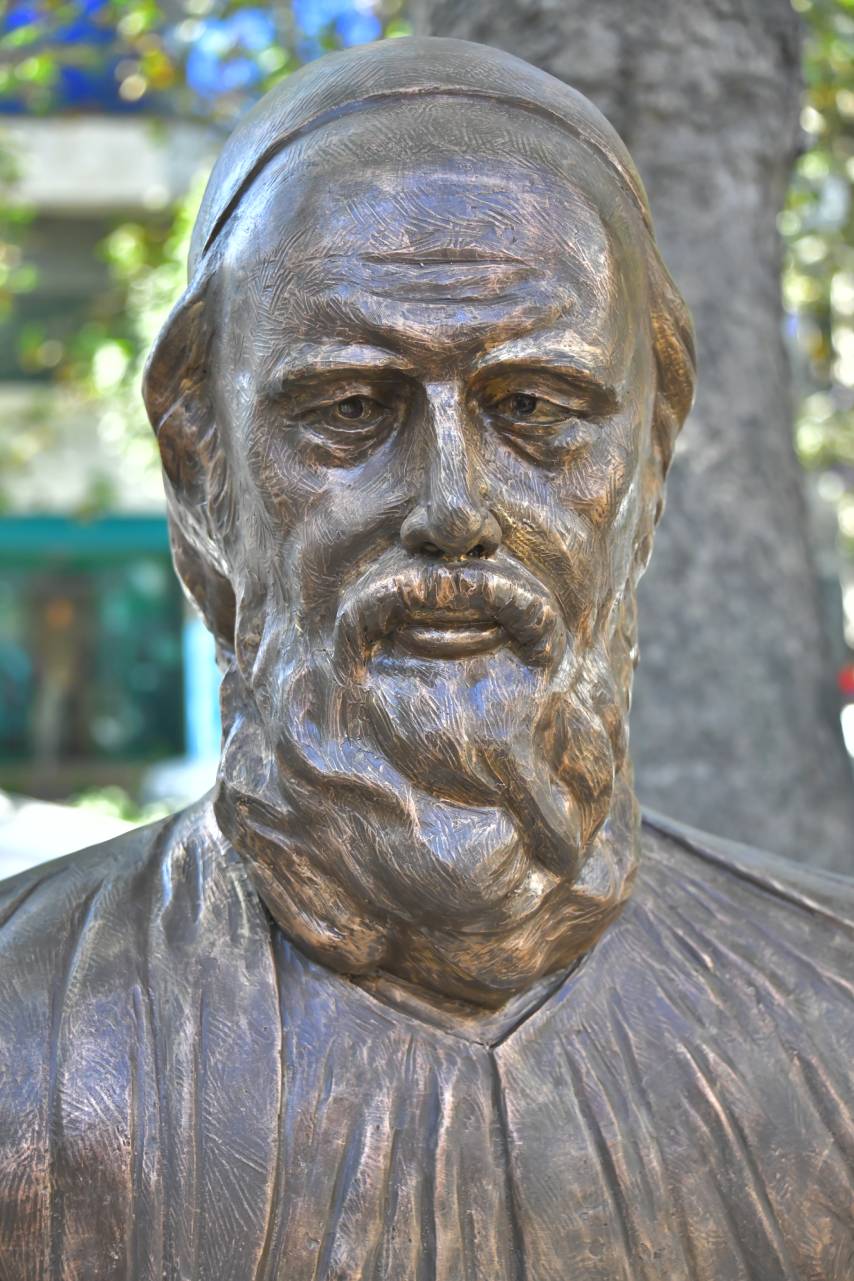
 Abu Hasan Ali ibn Sahl al-Tabari, or in short, Ibn Rabban, was a Muslim scholar and physician of the third century AH. He was Zakaria Razi's teacher. Ibn Rabban was the first person who discovered that pulmonary tuberculosis is contagious. Along with Razi, Avicenna and Magusi, he has been considered one of the four great Muslim scientists and doctors. Ibn Raban was born in a Christian family. His father and uncle were prominent scholars of Tabarestan. He was educated by his father and learned about sciences such as medicine, philosophy, geometry, and theology. Moreover, he mastered Middle Persian, Arabic, Hebrew, Hindi, and Syriac languages. He converted to Islam at the age of 60. In his most important book "Ferdous al-Hikmah" he explained his conversion to Islam. After converting, he also wrote a book about the superiority of Islam over other religions. Ali ibn Raban Tabari entered the palace of Maziar ibn Qarin in his youth and became his secretary. After the fall of Maziar and his execution by the Abbasid Caliph in 225 AH, Tabari was forced to leave Tabarestan. During the Caliphate of Mu'tasim Abbasid, he was appointed to work as a writer in Divan Ensha and remained in this position until his death in 260 AH.